
According to Dr. Laurie Marker of the Cheetah Conservation Fund, Cheetahs in East Africa are at risk of extinction as their cubs are being illegally captured and sold as pets to wealthy buyers in the Arabian Peninsula.
Dr. Marker claims that up to 75% of the cubs born each year to wild cheetahs in the Horn of Africa are being taken and sold to smugglers.
She warns that cheetahs in the region could vanish within the next two years without immediate intervention.
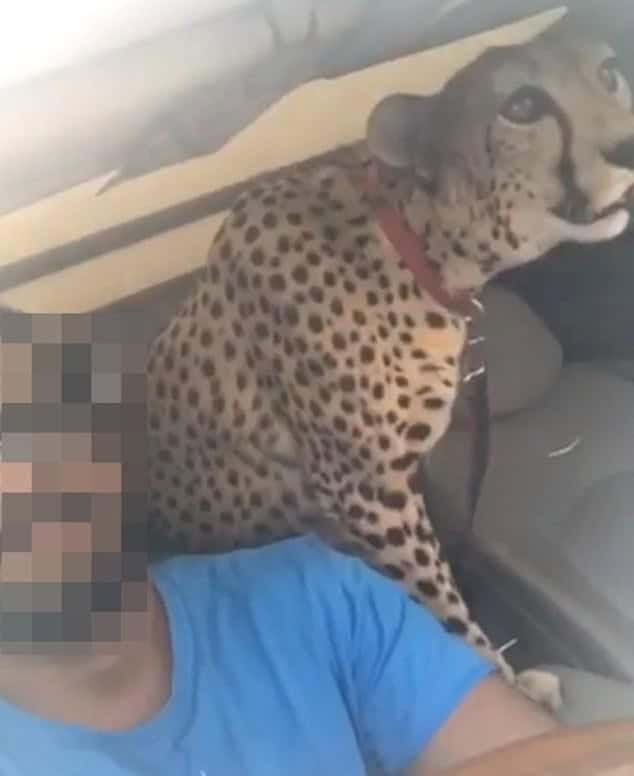
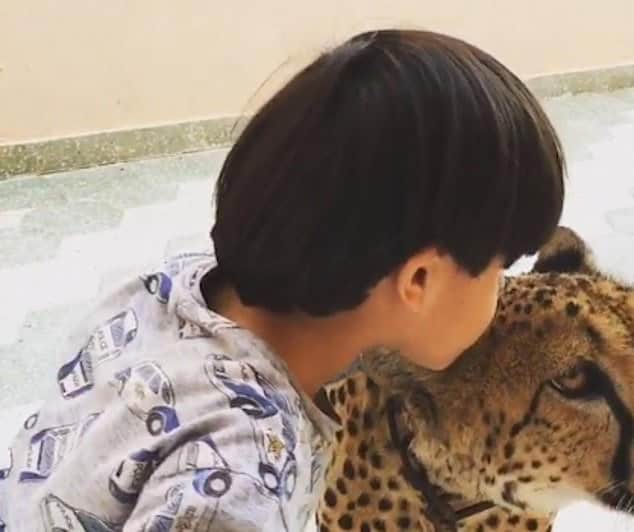
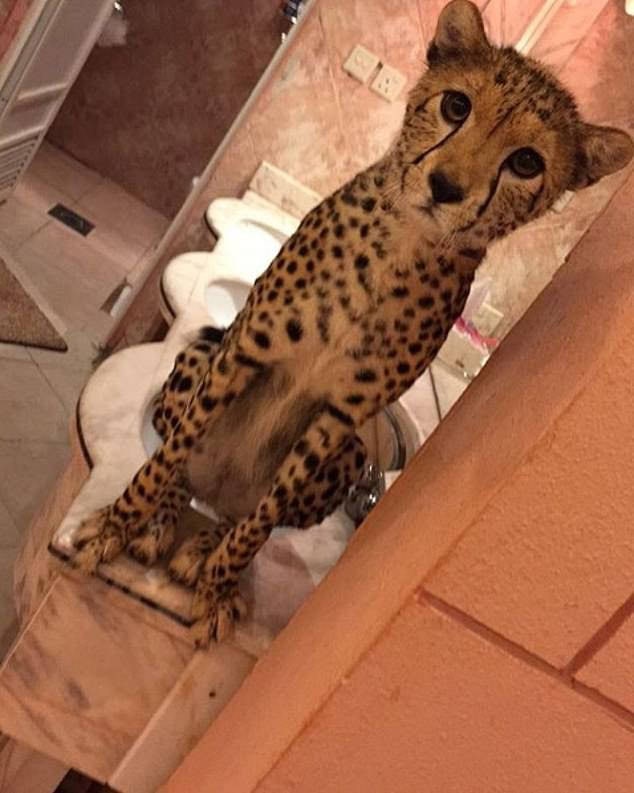
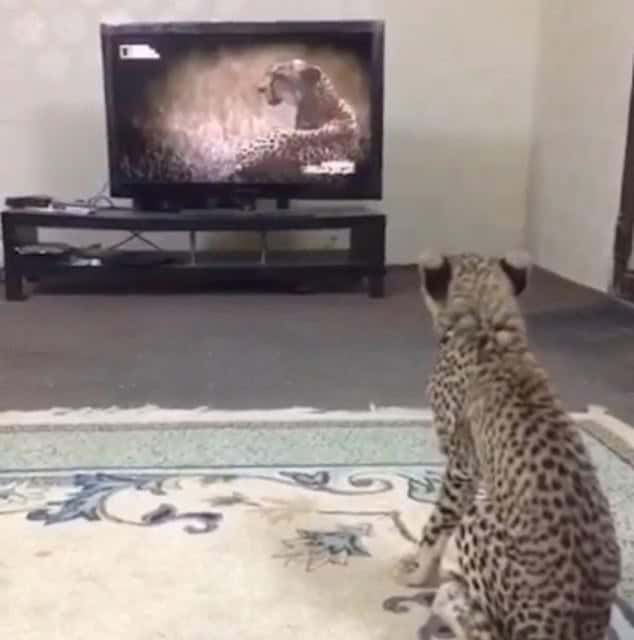
Wealthy individuals in countries like Saudi Arabia and the UAE post images and videos on social media, showcasing cheetahs as pets and symbols of status. These videos reveal people driving with the big cats in their cars and posing with them at home.
Dr. Marker, who has spent decades studying cheetah populations, estimates that only around 300 cheetahs remain in the wild in Ethiopia, Somalia, and northern Kenya.
She believes approximately 300 cubs are taken each year, either by farmers trying to eliminate them or by poachers who sell them to smugglers bound for the Arabian Peninsula.
Of those captured, about 75% die during transport due to malnutrition or injuries caused by being packed into small crates.
The cubs that survive are sold for over $6,000 each, but many die within two years because their new owners are unprepared to care for them properly.
“They don’t love these animals. Owning them is simply a status symbol. When one dies, they just take another from the wild,” Dr. Marker explained.
A brief search of Instagram and Facebook by Mail Online uncovered posts openly advertising cheetahs for sale.
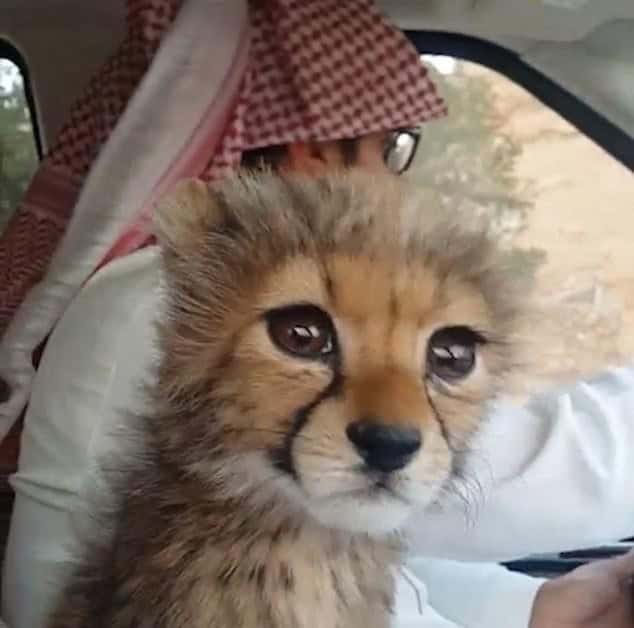
Other videos showed cheetahs being driven in cars, confined in small cages, or petted by children.
Dr. Marker advocates for increased education in Africa and the Middle East on the damaging effects of cheetah smuggling.
She urges leaders in both regions to take a strong stance against the illegal trade, emphasizing the need for tribal and religious leaders to set an example.
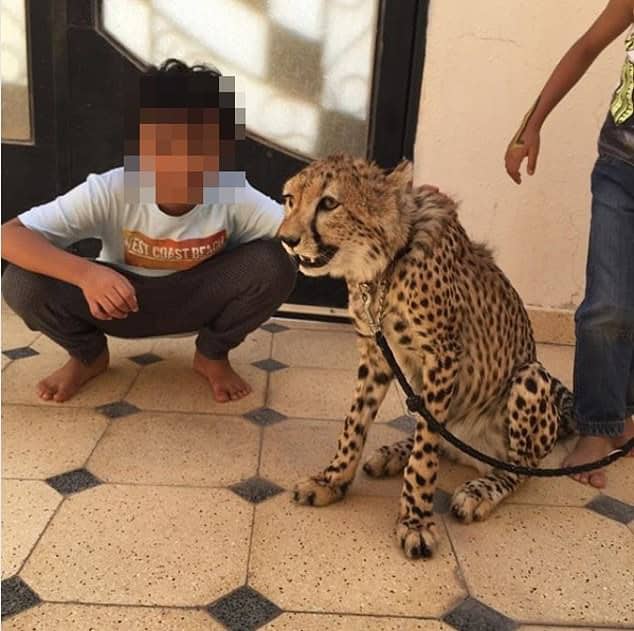
“Education and training play a key role, but change must come from the top,” she said. “Sheikhs and Princes need to speak out and discourage this behavior. Laws alone won’t work unless they are enforced.”
While the UAE and Saudi Arabia have laws banning exotic pets, enforcement is often weak.
Dr. Marker works to rescue some of the smuggled cheetahs and bring them to a shelter in Somaliland. However, many die shortly after arriving due to the poor conditions they endured while being trafficked.
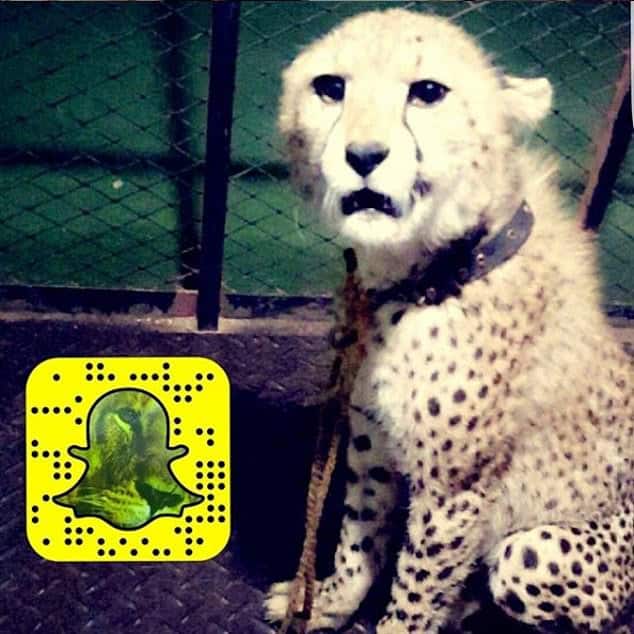
Cubs are typically taken from their mothers between three and ten weeks old, leaving them unable to develop the survival skills they need in the wild.
As a result, they often cannot be returned to their natural habitat, forcing them to live in rescue centers or specially designed units.
“Cheetahs are such remarkable animals,” Dr. Marker added. “It’s heartbreaking to see these cubs, taken from their mothers, so sick and weak. Many don’t survive, and it’s devastating. Wild animals should be left in the wild where they belong.”
Read more Wildlife News.


