
If you’ve ever wandered through India’s lush woodlands or vibrant gardens, you may have seen the captivating Indian White-Eye, scientifically known as Zosterops palpebrosus. Recognizable by its bright plumage and lively presence, this bird leaves a lasting impression.
If you prefer not to read the full story,
Skip ahead to watch the video ->
The Indian White-Eye, part of the Zosteropidae family, is native to the Indian subcontinent, spanning India, Nepal, Sri Lanka, and Bangladesh. At just 8 cm in length, this small bird embodies the saying “big things come in small packages.”
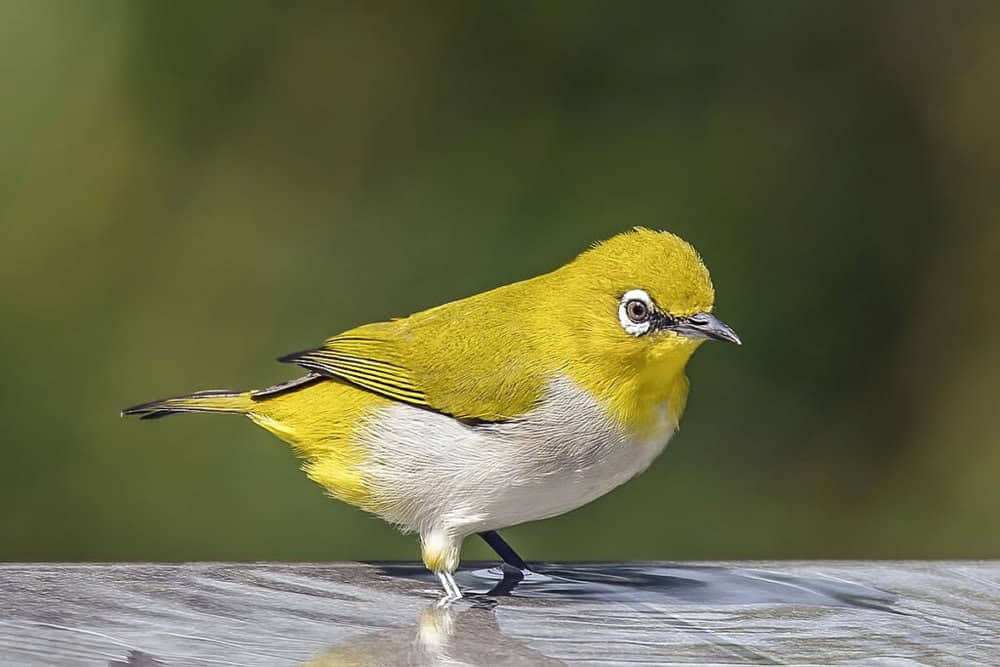
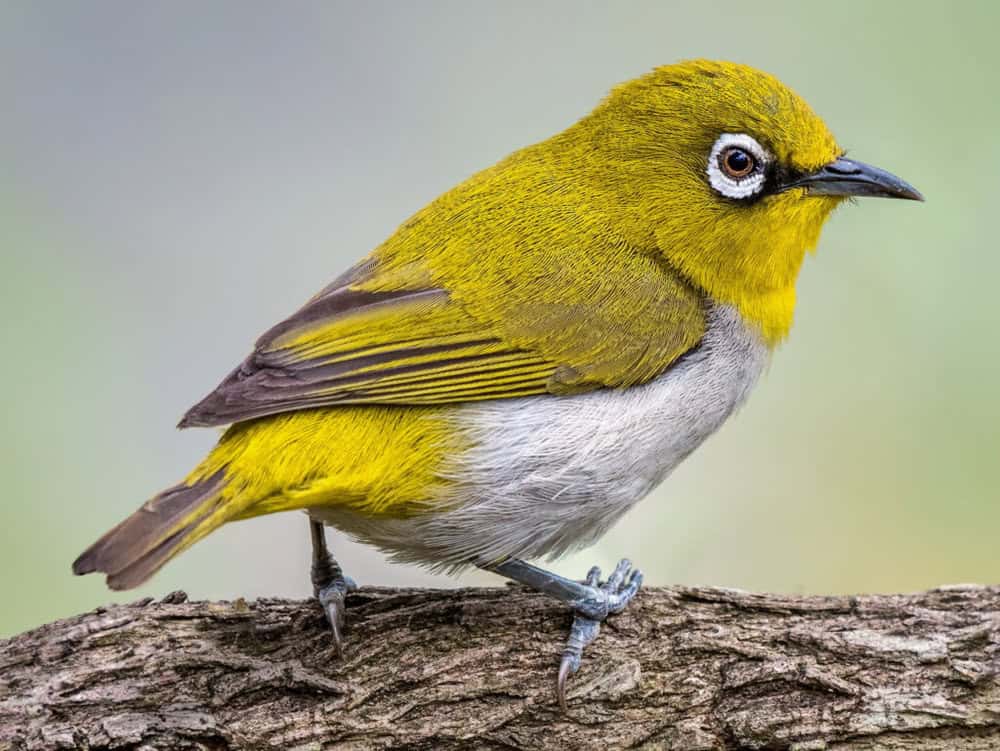
This bird’s distinctive appearance is one of its most charming features. Its vivid olive-green feathers contrast beautifully with its bright yellow throat and belly. A prominent white ring around its eyes gives it its name, further enhancing its appeal.
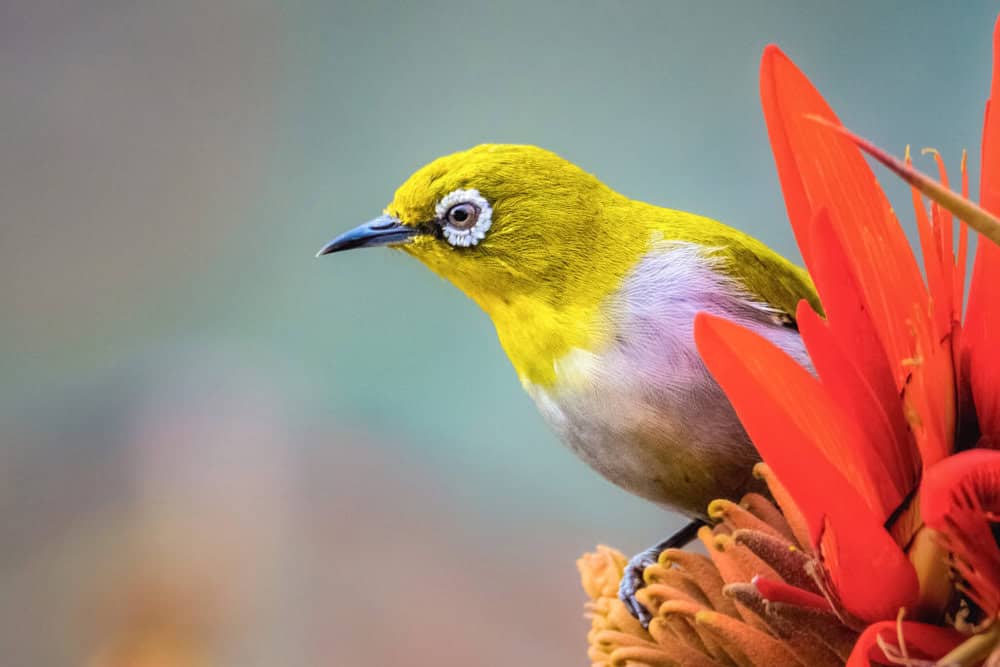
Known for its agility, the Indian White-Eye effortlessly hops between branches and can even forage upside-down, showcasing impressive skill as it searches for fruits, nectar, and small insects. It is also a frequent visitor to blossoming flowers, playing an essential role in pollinating various plant species.
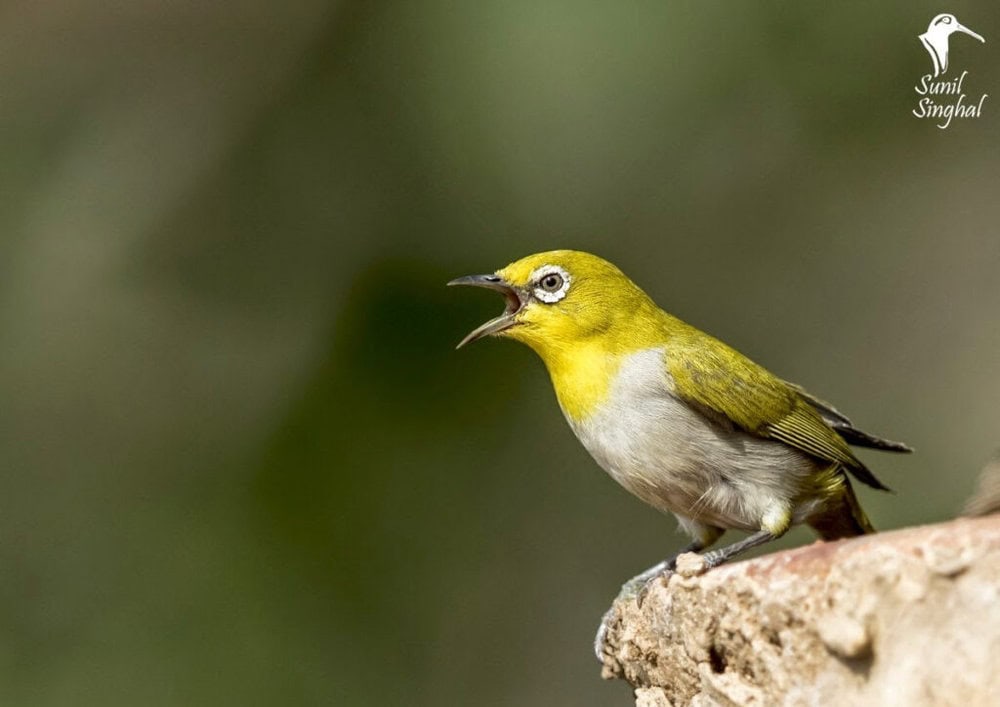
This bird is often seen in small, lively flocks, creating a cheerful atmosphere with its playful behaviors and beautiful songs. Their melodies, combining chirps, whistles, and trills, resonate throughout their natural habitats, adding a harmonious soundtrack to the forest canopy.
These sounds not only help the birds communicate but also enhance the charm of the environments they inhabit. During the breeding season, typically from March to July, Indian White-Eyes form monogamous pairs.
They build nests on the outer branches of trees, crafting them from grass, leaves, and spider webs. These nests provide a safe space for females to lay their eggs and raise the hatchlings until they are ready to leave.
The International Union for Conservation of Nature (IUCN) classifies the Indian White-Eye as a species of least concern.
Its adaptability to varied settings, including forests, gardens, and cities, has contributed to a stable population. However, preserving its natural habitats remains vital to ensure this charming bird’s survival for generations to come.
Read More Birds