
The Cuckoo bird is known for its extraordinary ability to deceive, earning it a reputation as one of nature’s most cunning creatures. Its unique behaviors and strategies have long intrigued ornithologists and bird enthusiasts.
This article explores the fascinating world of the Cuckoo bird, focusing on its distinctive traits, behaviors, and remarkable skill in fooling other birds.
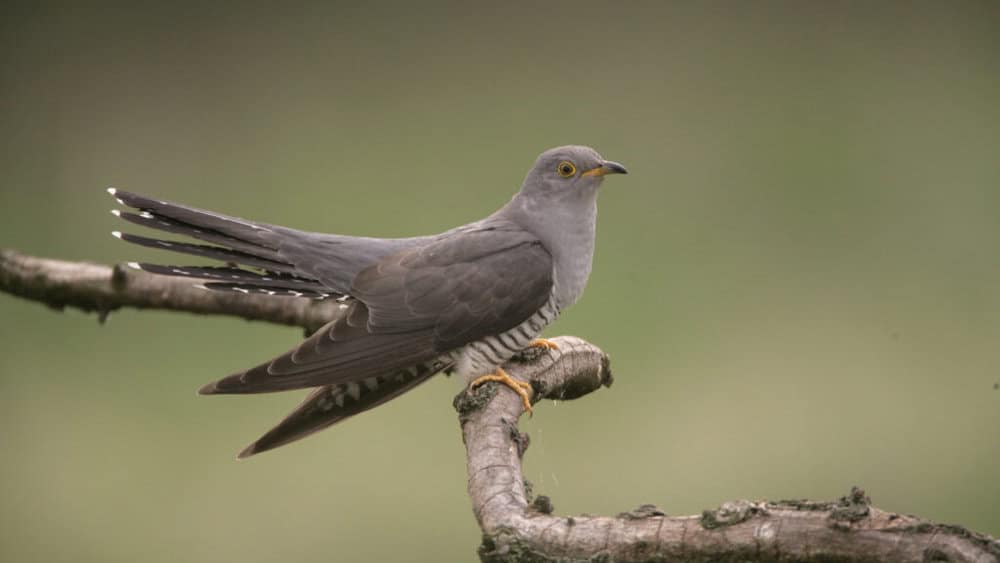
One of the Cuckoo bird’s most notorious behaviors is brood parasitism. Rather than building a nest and raising its young, the Cuckoo lays its eggs in the nests of other bird species.
The unsuspecting host bird incubates the Cuckoo’s eggs and raises the chicks, often at the cost of its own young. Cuckoo birds are highly adaptable, with different species exhibiting various appearances depending on their environment.

Some have dull, earthy tones to help them blend into their surroundings, while others display bright plumage to deter predators. This flexibility in appearance highlights the Cuckoo’s ability to survive and thrive in diverse habitats.
A fascinating aspect of some Cuckoo species is their ability to mimic the calls of other birds with impressive accuracy. This vocal mimicry allows them to blend into their environment or avoid detection.
In some cases, Cuckoos imitate the calls of predatory birds, causing confusion and panic among nearby birds, creating opportunities to infiltrate nests undetected.

Laying eggs is a delicate process for the Cuckoo. It carefully chooses host nests whose eggs closely resemble those of the host species in color and size.
This similarity helps ensure the host bird does not recognize the Cuckoo’s egg as foreign, allowing it to be incubated and raised without suspicion.
Timing is crucial in the Cuckoo’s strategy. Its chicks often hatch before the host’s eggs, giving them an advantage regarding food.

The Cuckoo chick aggressively competes with the host chicks, often monopolizing the foster parents’ resources to ensure survival.
Brood parasitism has led to an evolutionary “arms race” between the Cuckoo and its hosts. Some host species have developed the ability to identify and reject Cuckoo eggs, while the Cuckoo continues to refine its mimicry to overcome these defenses.
This ongoing struggle adds a layer of complexity to the Cuckoo’s survival tactics. The Cuckoo bird’s ability to deceive and adapt is a testament to the diverse survival strategies found in nature.
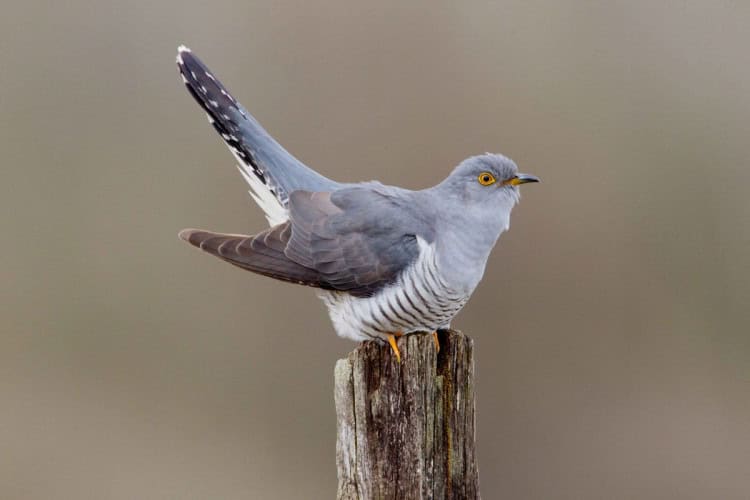
Its mastery of mimicry, vocal trickery, and brood parasitism challenges our understanding of bird behavior, offering a glimpse into the ever-evolving relationships between species in the wild.
Through this lens, we gain a deeper appreciation for the complexity and ingenuity of the natural world.


Read More Birds