
The Black-naped Fruit Dove, scientifically named Ptilinopus melanospilus, is a bird known for its striking look and fruit-based diet. This species, also called the black-headed fruit dove, can be found across Indonesia, Java, the Philippines, the Moluccan islands, and Borneo.
If you prefer not to read the full story,
Skip ahead to watch the video ->
It thrives in various habitats, such as forest edges, lowlands, hills, and suburban areas. One of the standout features of this bird is the clear difference in appearance between males and females.
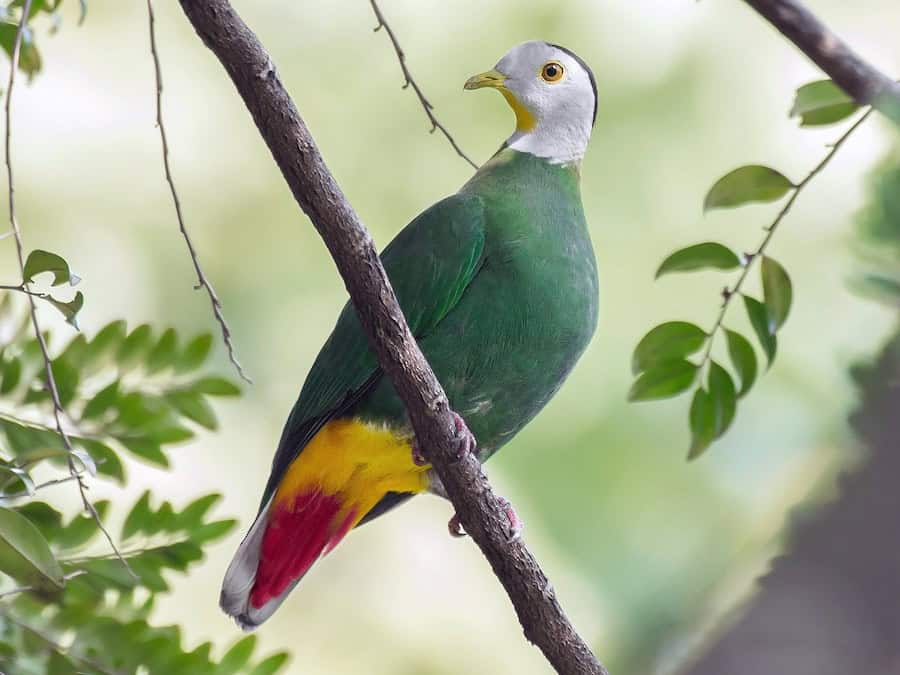
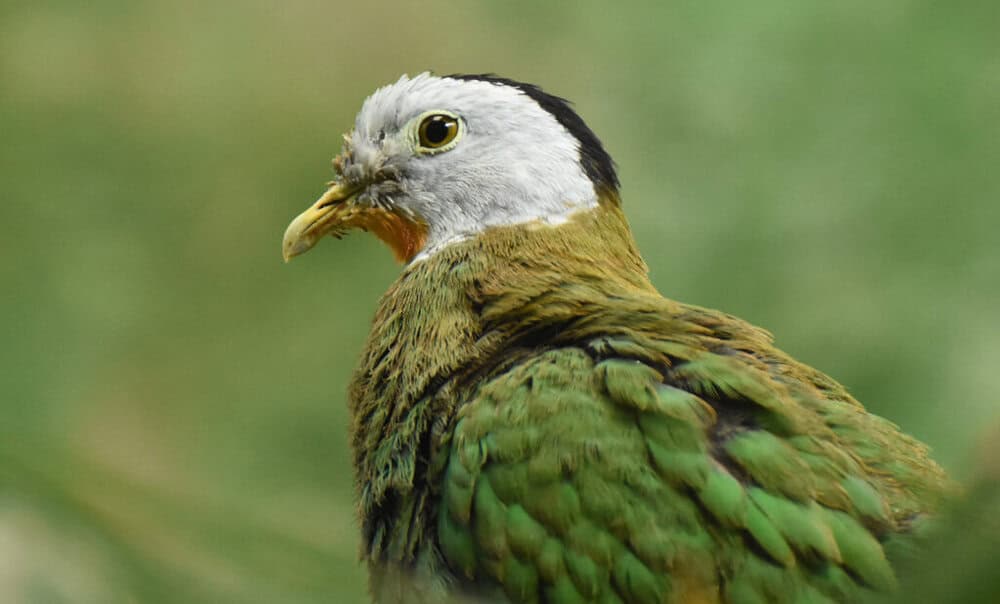
Male Black-naped Fruit Doves are known for their pale grey heads and the distinctive black patch on the nape of their neck, a feature that gives them their name. In contrast, females and juveniles are a vibrant green, making them easy to tell apart from the males.
When it comes to breeding, males take on the task of building delicate nests in trees. These birds usually lay just one egg per clutch, which is incubated for 18 to 26 days. This care ensures the species’ survival, with both parents playing a role in nurturing the next generation.
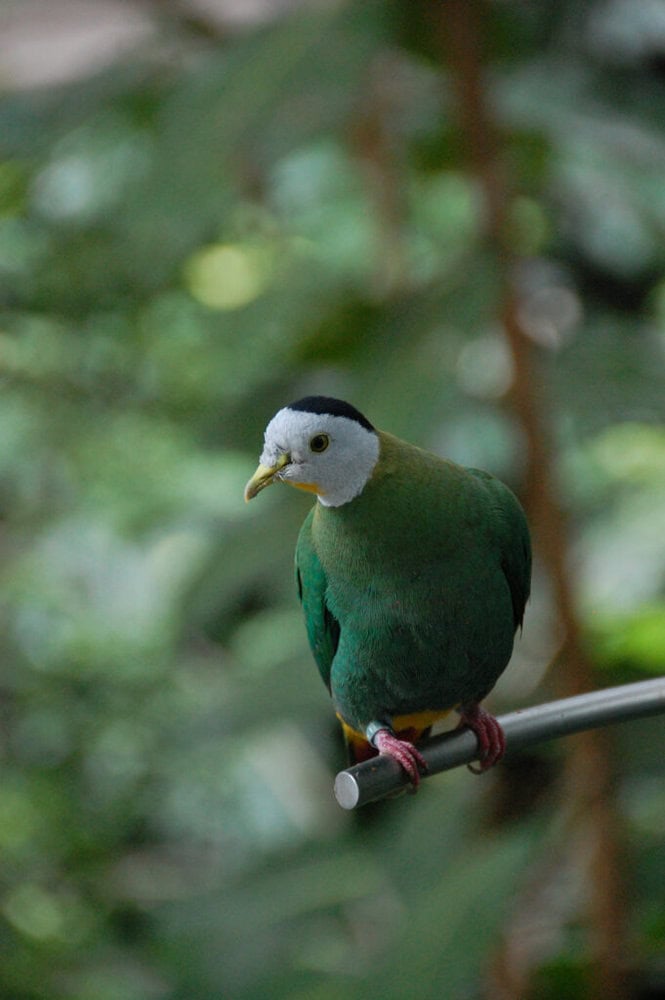
True to their name, Black-naped Fruit Doves primarily feed on fruits, with a particular fondness for figs and berries. This diet sustains them and makes them important seed dispersers in their ecosystems. By eating and dispersing seeds, they help maintain the plant diversity in their habitats.
Although they add vibrancy to their surroundings, these doves face threats from habitat destruction and other human activities. Conservation efforts to protect their natural environments are important to ensure their survival and preserve the ecosystems that rely on them.
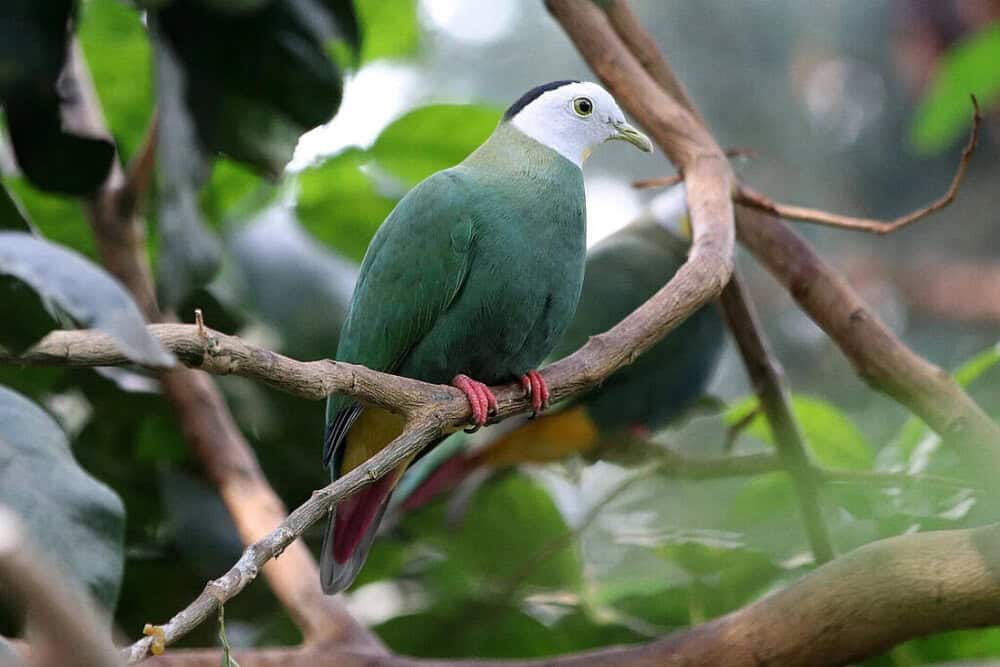
In summary, the Black-naped Fruit Dove is a remarkable bird in appearance and its role in nature. Its striking plumage, love for fruits, and ecological importance make it a key species in its inhabited regions.
Protecting these birds and their habitats is crucial for maintaining the balance of the natural world they help sustain.
Read More Birds