
A worldwide ban on whaling sounds straightforward. The rules currently governing whale hunting are more complicated: the International Whaling Commission’s commercial-whaling moratorium remains in force, yet it does not stop every commercial hunt.
That distinction matters when a social-media image asks whether the world should ban whaling to protect whales. It is an advocacy question, rather than an announcement that a new global prohibition has been adopted. A photograph of a whale on a dock also cannot, by itself, establish when or where a hunt happened—or whether it violated the applicable rules.
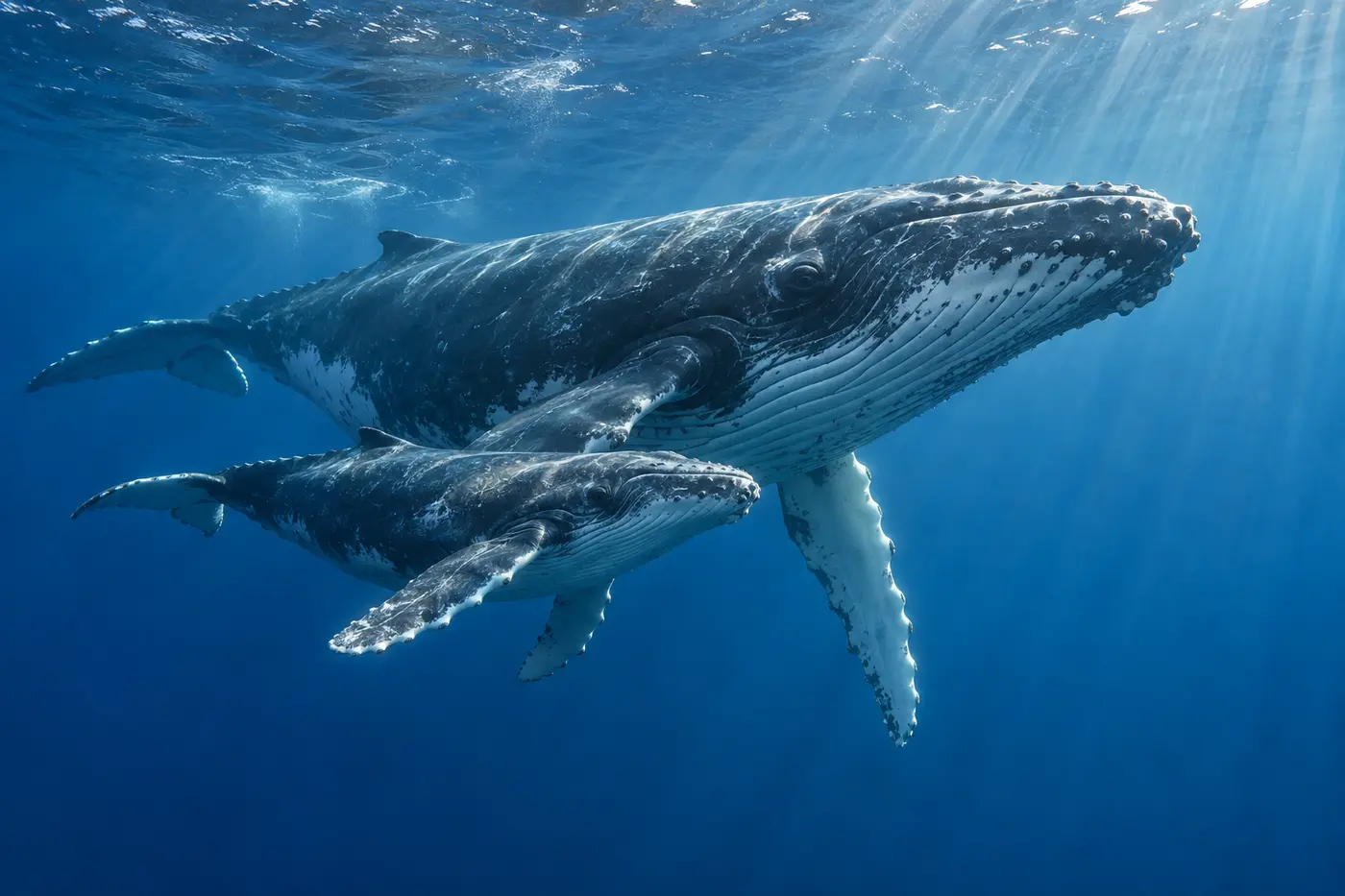
A moratorium with important limits
The IWC adopted its moratorium in 1982, with the pause beginning in the 1985–1986 season. Its official explanation confirms that the measure still stands.
Norway lodged a formal objection. Iceland rejoined the commission with a reservation. Those legal positions allow them to set their own commercial catch limits, while providing catch information and scientific data to the IWC.
Japan left the IWC in 2019 and resumed commercial catches that year. It is therefore no longer bound by the commission’s moratorium. Japan’s Fisheries Agency publishes information about its whaling policy.
These arrangements explain why the existence of a long-standing international moratorium should not be confused with an enforceable prohibition covering every country. They also do not establish how many whales a particular country has caught this season; that requires current catch records.
Commercial and subsistence hunts are different
A proposal to prohibit all whaling would also reach beyond commercial hunting. The IWC treats aboriginal subsistence whaling as a separate system, outside the commercial moratorium.
The commission describes these hunts as serving Indigenous communities’ nutritional and cultural needs, rather than maximising profit. Its management objectives combine those needs with maintaining healthy whale populations and limiting extinction risks.
Catch controls include strike limits: a whale that is struck counts against the limit even when it is not successfully landed. The existing limits were renewed at the commission’s 2024 meeting for 2026–2031.
That makes the wording of any proposed ban consequential. Ending commercial whaling and prohibiting every subsistence hunt are different policy choices. A meaningful public debate should identify which activity is being challenged, which communities would be affected, and how a new rule would operate.
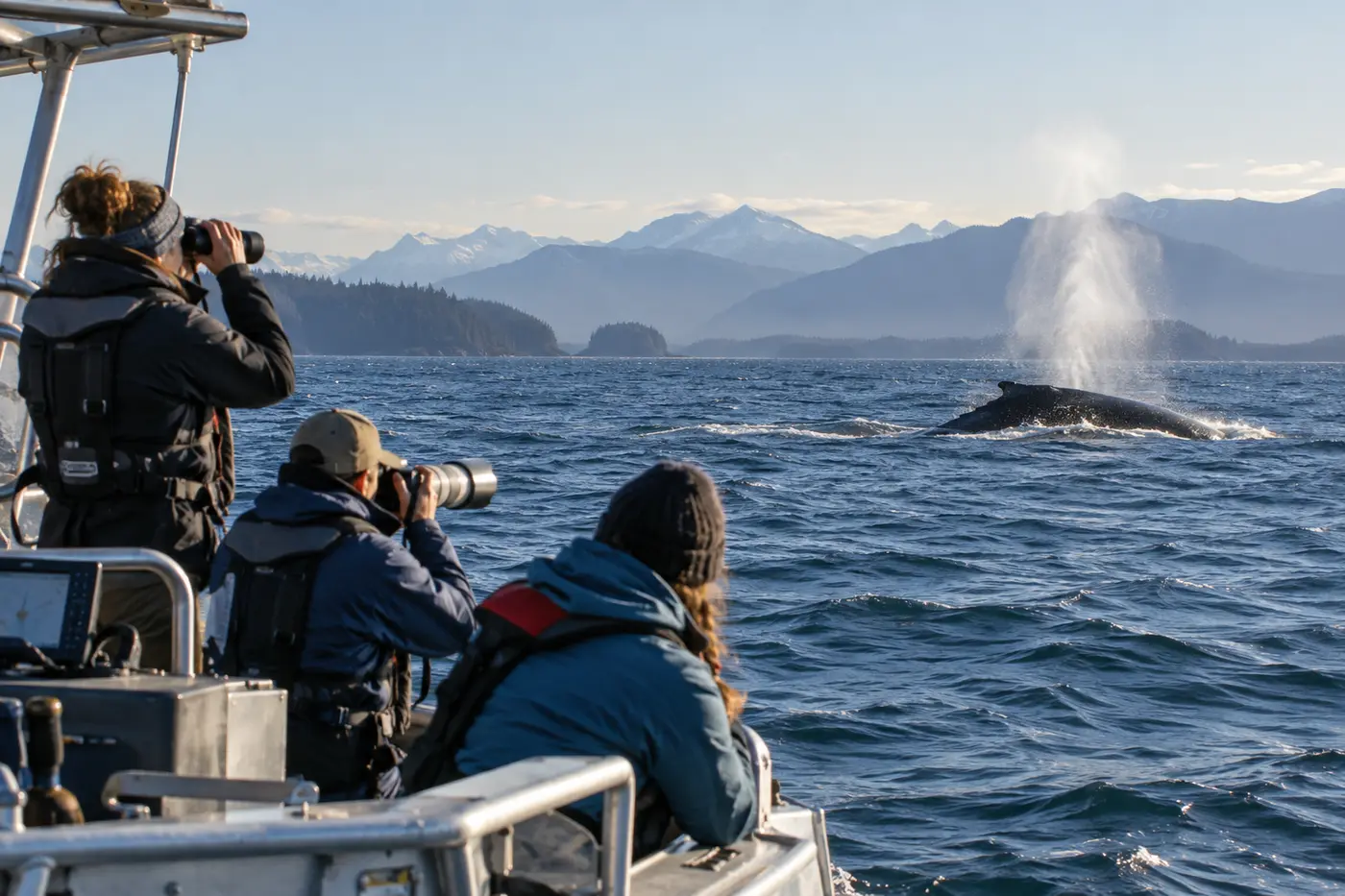
Protection also means reducing other harm
Whaling is only one part of whale welfare. The IWC’s welfare work also addresses fishing-gear entanglement, collisions with vessels and the effects of whale watching.
Entangled whales can struggle to reach the surface or feed effectively. Vessel strikes may cause fatal injuries, and many collisions go unnoticed or unreported. The commission supports trained disentanglement responders and collects vessel-strike information to help target prevention.
These measures address practical threats that a hunting prohibition alone would not remove. Supporting stronger protection can therefore include both scrutiny of deliberate hunting and action to make the ocean safer for living whales.
The question on the featured image remains a question for public discussion. The verified starting point is clear: an international commercial-whaling moratorium exists, but a complete worldwide ban on all whaling does not.
Sources: IWC commercial whaling; IWC subsistence whaling; IWC welfare; Japan Fisheries Agency.
