
For birdwatchers and nature lovers, spotting a Ring Ouzel in its natural environment offers a special experience. With its striking appearance and preference for specific habitats, this bird stands out as a species worth noting.
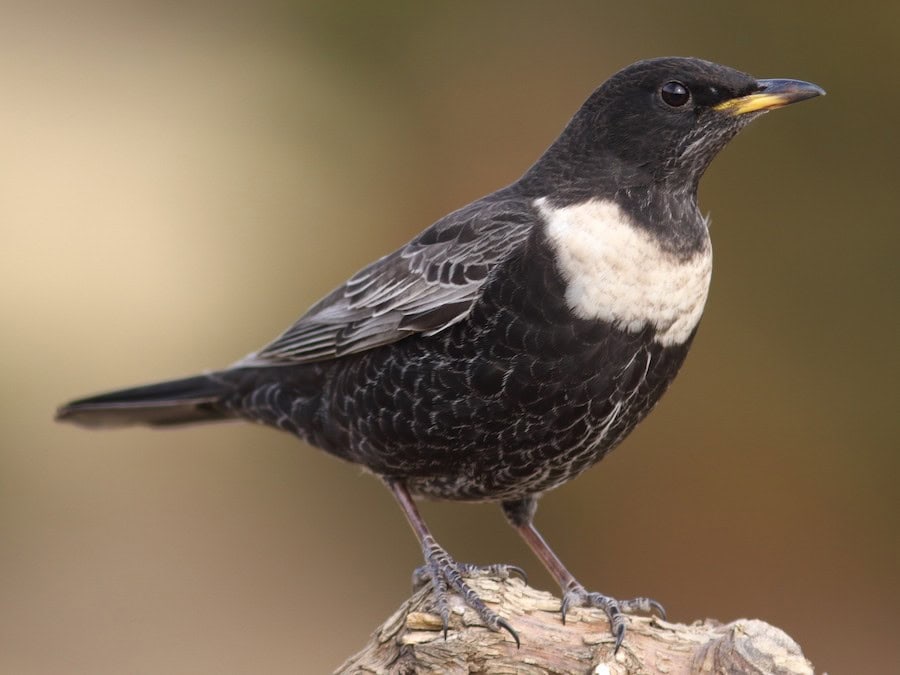
During summer, Ring Ouzels make their homes in Britain’s upland moors and rocky crags, particularly in Scotland and northern England. While they might resemble blackbirds from afar, closer observation reveals key differences.
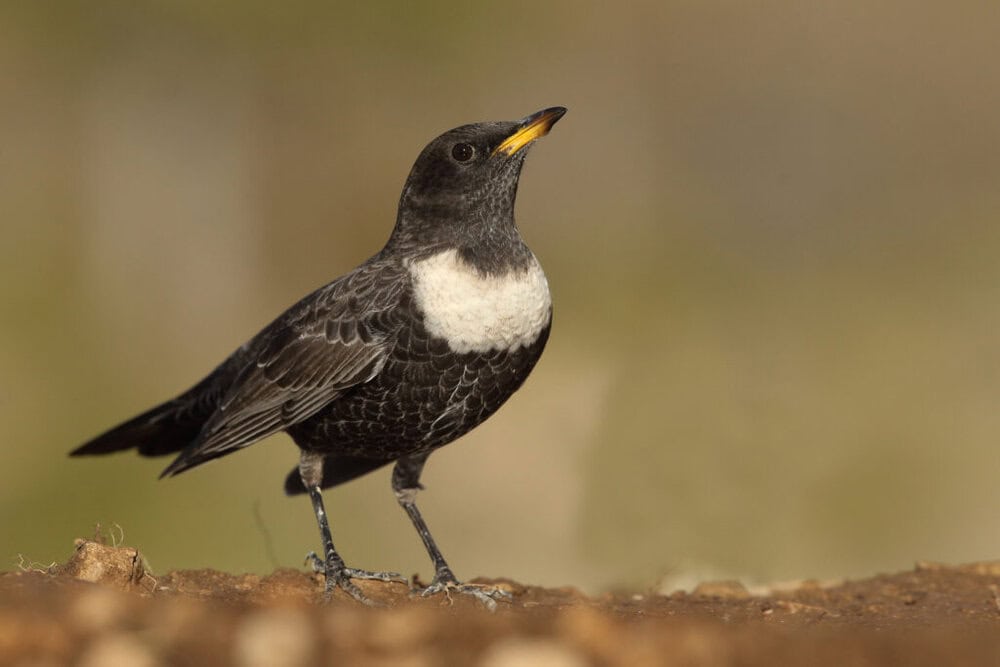
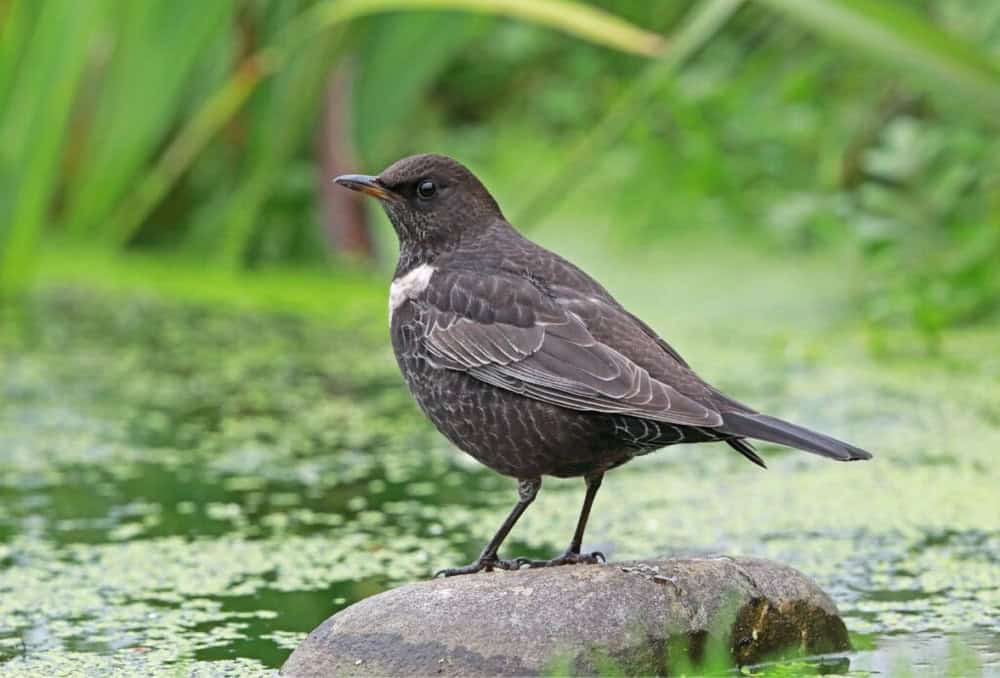
Male Ring Ouzels feature a white crescent marking on their upper chest, while females display a dusky brown color with a pale, crescent-shaped bib.
Juveniles, on the other hand, have reddish-brown streaks and white markings on their throats, creating a range of appearances within the species.
Ring Ouzels have a varied diet. They feed on invertebrates such as earthworms, insects, and spiders but also enjoy moorland fruits like bilberry, rowan, and elderberry, particularly in late summer and autumn. As they migrate, juniper berries become an important food source.
Their choice of habitat is equally fascinating. They nest in rugged uplands, often reaching heights of 1200 meters. Heath and moorlands, as well as subalpine meadows and grassy areas, provide ample foraging opportunities.
In winter, these birds seek shelter in mountainous regions with boulders, ledges, and patches of juniper forests.
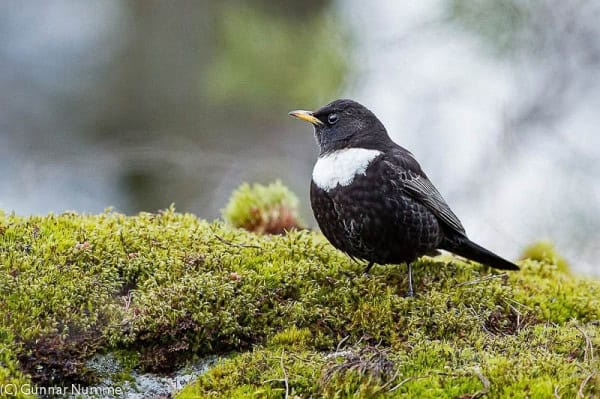
Despite their broad range, which extends from the UK to Russia’s Kola Peninsula, the Ring Ouzel population is declining. In the UK, they are now listed as a species of concern due to habitat loss, with nearly a 60% decline in numbers recorded between 1990 and 1999.
During the breeding season, Ring Ouzels fiercely protect their nests, often showing aggression toward intruders. They build their nests close to the ground in heather clumps or rocky slopes, using materials like grass, moss, and mud.
A typical clutch consists of 3 to 6 greenish-blue eggs, and the birds may raise one or two broods per season. Outside the breeding period, they become less territorial, forming loose flocks with other thrush species as they migrate.
For those lucky enough to witness a Ring Ouzel, the experience is a reminder of the beauty and complexity of nature. However, with their population in decline, it’s crucial to protect their breeding habitats and spread awareness about their role in maintaining ecological balance.
By safeguarding these unique environments, future generations can continue enjoying the Ring Ouzel’s charm in the wild.
Read More Birds