
The ring-necked parakeet, also called the rose-ringed parakeet, is an intriguing parrot species that initially hails from tropical regions.
Though not native to the UK, it has established a thriving population, likely descendants of escaped pets, and now holds the distinction of being the country’s only naturalized parrot.
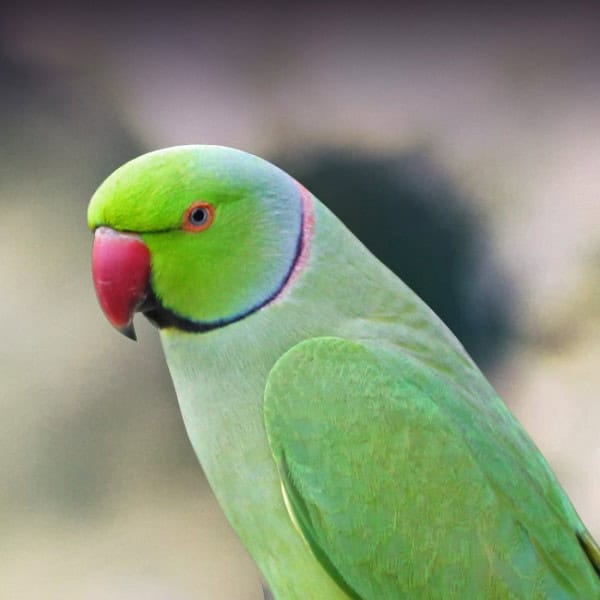
With its striking appearance, the ring-necked parakeet is easy to recognize. These parrots have a sturdy build, a long, slender tail, and pointed wings. Their beaks are curved and vibrant red, while their legs feature a subtle gray-green hue.
Both male and female parakeets have bright green feathers, though the wings and tail are darker than the chest and back. However, only adult males display a distinct black chin and a pinkish-red ring around their neck, which gives the species its name.
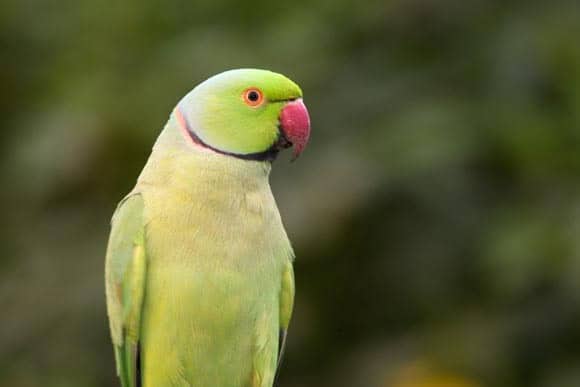
These parakeets mainly eat fruit but enjoy seeds, grains, nuts, and berries. They’re commonly spotted in gardens and at bird tables, often feeding in the early morning or late afternoon.
While flying or roosting, they produce a range of sounds, from loud screeches and squawks to the occasional whistle. Over the years, the ring-necked parakeet has spread widely across the UK, with sightings in nearly every country.
However, they are most commonly seen in the Greater London and surrounding counties. Smaller groups have also appeared in the Midlands, East Anglia, and Lincolnshire. These birds are typically found in parks, gardens, and orchards and are known to gather in large flocks, particularly when roosting.
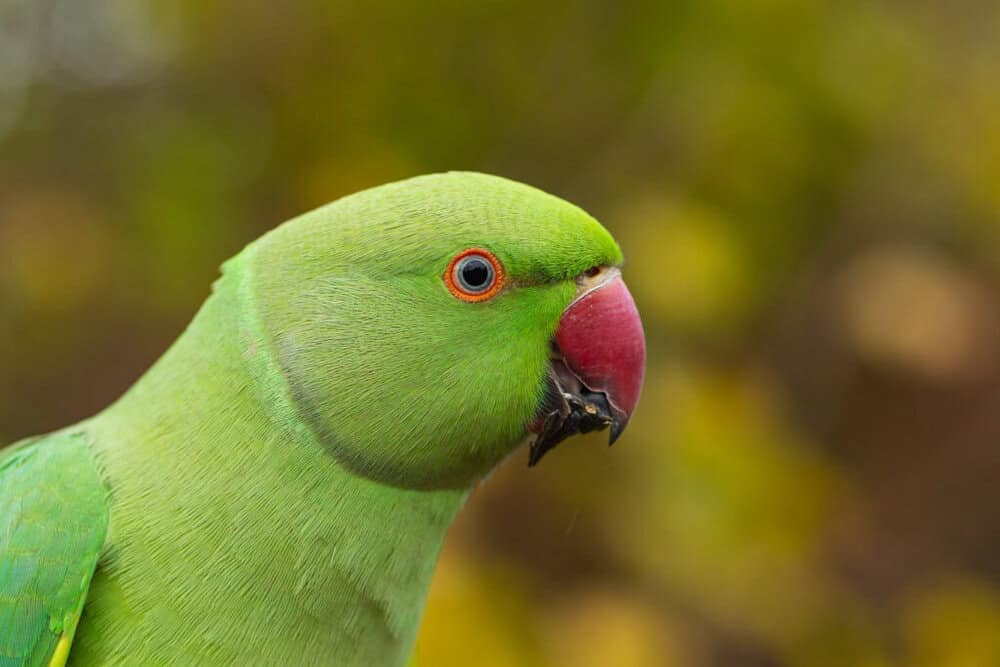
Interestingly, the UK population holds the title of the northernmost breeding parrot species in the world. They often take over old woodpecker nests in tree holes or medium-sized nest boxes for breeding.
Their nesting season starts as early as January and lasts until June, and they may produce more than one brood in a season. Both parents actively participate in raising the chicks, which fledge after about 40 to 50 days.
In the wild, ring-necked parakeets live around nine years, though some have been known to reach an impressive 34 years in captivity.
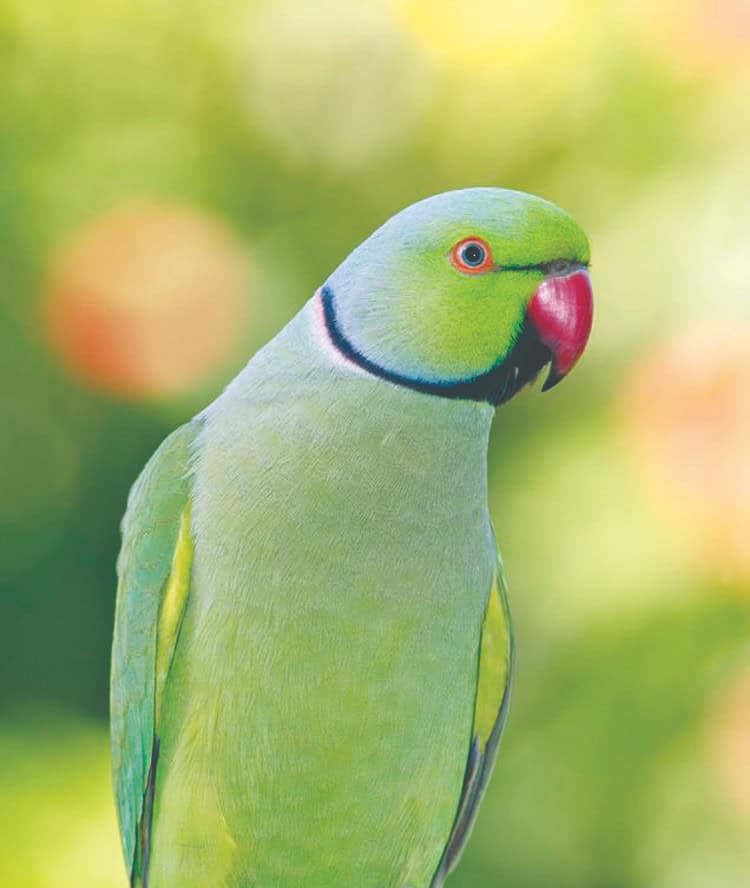
Overall, the ring-necked parakeet has become a vibrant part of the UK’s wildlife. Its colorful plumage, distinctive call, and adaptability have earned it a place of admiration. Watching them thrive serves as a reminder of nature’s beauty and diversity right in our backyards.
Read More Birds