
The Long-tailed Hornbill exhibits fascinating nesting behavior. During the breeding season, female hornbills enter tree cavities and seal themselves with mud, leaving a small opening for the male to deliver food.
This adaptation helps protect the female and her eggs from predators. Once the chicks hatch, the female breaks out but reseals the nest to keep the young safe until they are ready to leave.
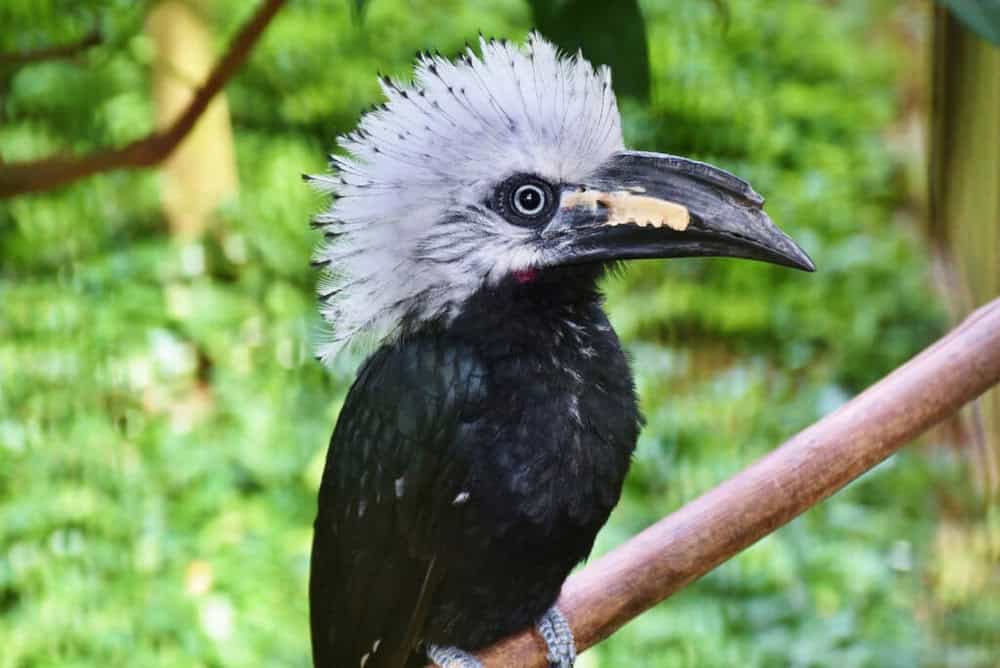
In addition to its striking appearance, the Long-tailed Hornbill is essential to its ecosystem. It plays a significant role in dispersing seeds, helping various plant species grow throughout the forest, and contributing to biodiversity.
Its loud, recognizable call is a familiar sound in Central and West Africa’s forests, adding to the vibrant life in the wilderness. However, like many bird species, the Long-tailed Hornbill faces threats from habitat loss due to human activity.
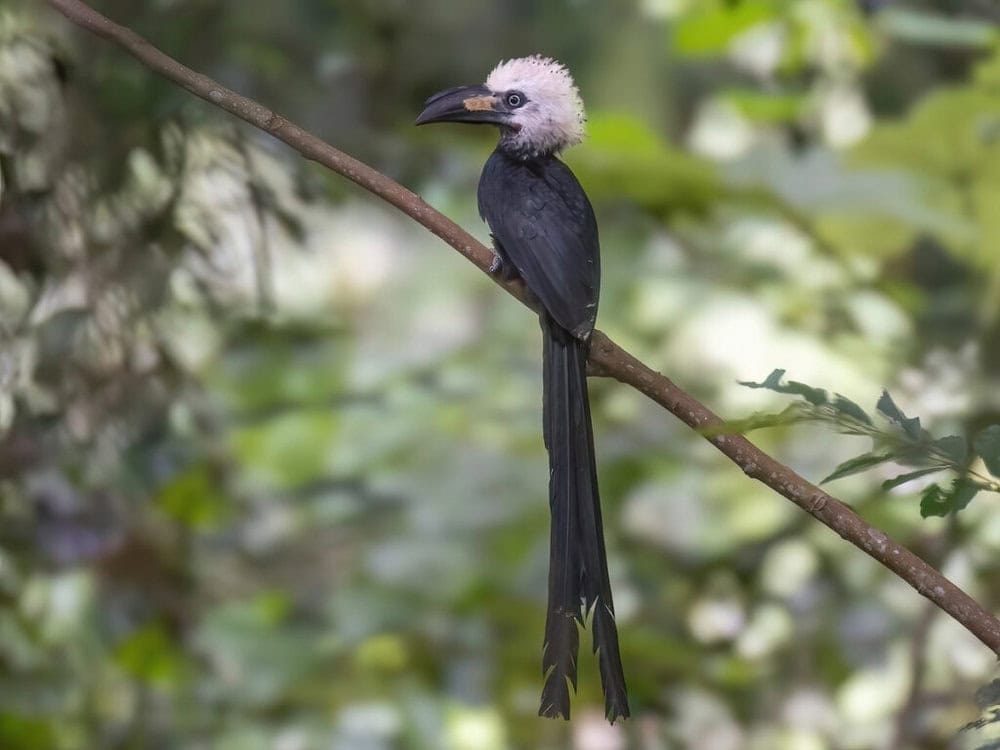
Conservation efforts are necessary to protect both the bird and its environment. Preserving forests and raising awareness about the hornbill’s role in seed dispersal and ecosystem health is key to ensuring its continued survival.
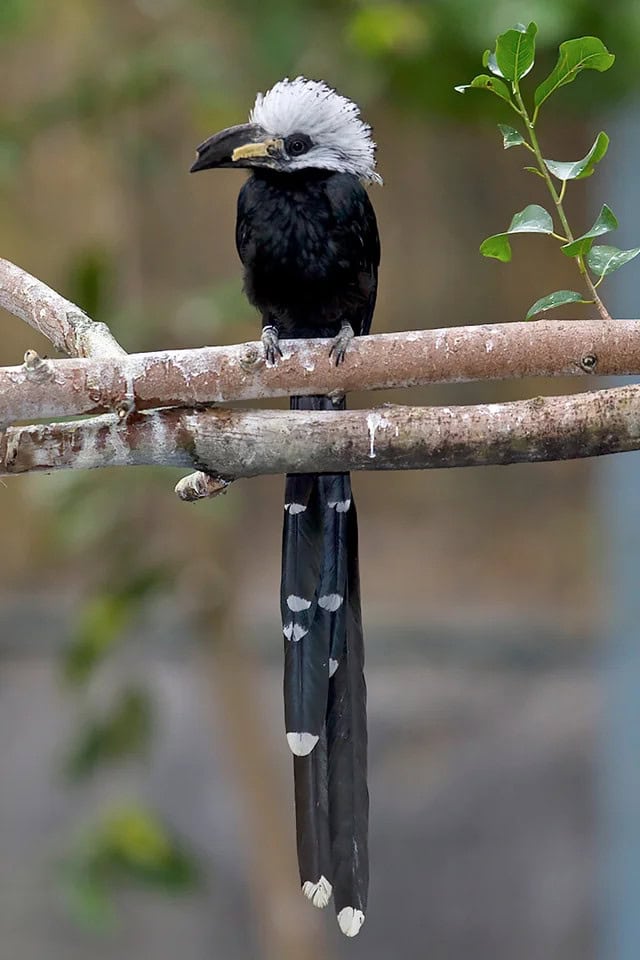
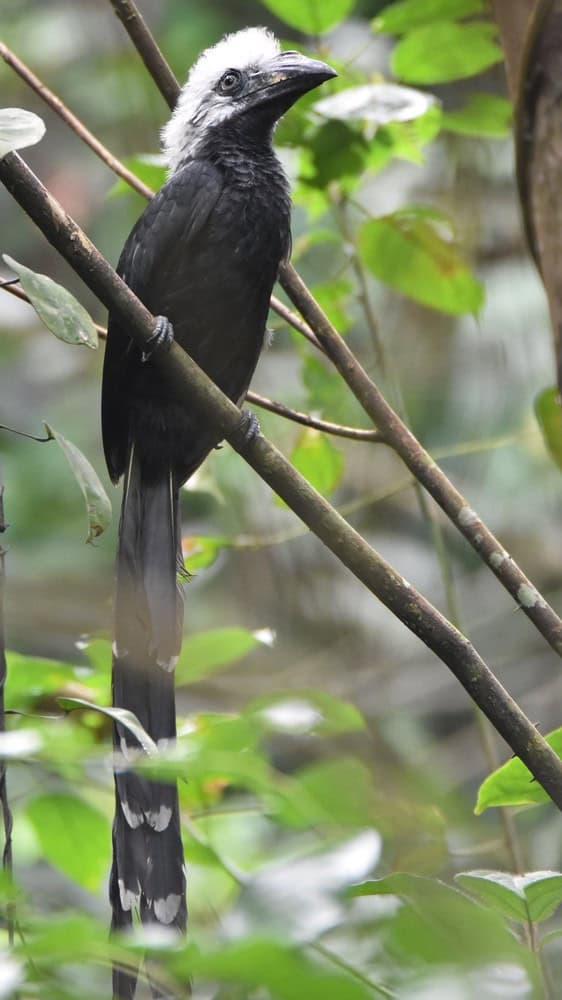
The Long-tailed (White-crested) Hornbill, with its distinctive white crest and long tail, is a remarkable species that leaves a lasting impression. By protecting these birds and their habitats, we contribute to preserving the diverse ecosystems they support.
Read More Birds